Note: Consult a doctor for health advice. Check out my favorite health products here: (Amazon Affiliate commission applies)
Causes symptoms and naturopathy treatment
Cancer courses symptoms and Naturopathy treatment, causes of cancer, naturopathy, diet therapy , Cancer disease ,
1/7/20264 min read
Causes of cancer
Cancer is a complex group of diseases. The main causes of cancer include genetic mutations, environmental factors, and lifestyle behaviors.
1. Genetic mutations
Certain inherited genes can make individuals more susceptible to certain types of cancer. Mutations in DNA can lead to uncontrolled cell division and the formation of tumors.
2. Environmental factors
Exposure to certain substances or conditions in the environment can increase the risk of developing cancer. These include radiation, chemicals, viruses, and bacteria.
3. Lifestyle behaviors
Certain lifestyle choices and habits can significantly affect a person's risk of developing cancer.
- Smoking
Smoking is the leading cause of preventable death, responsible for an increased risk of lung, throat, mouth and many other types of cancer
- Diet
An unhealthy or poor-quality diet, high in processed and red meat, may lead to a higher risk of colorectal cancer.
- obesity
Being overweight or obese increases the risk of various types of cancer, including endometrial, breast, and colon cancer.
Lack of physical activity
Sedentary lifestyle and lack of physical activity can directly affect the overall health of a person and indirectly increase the risk of developing cancer
alcohol abuse
Drinking alcohol increases the risk of various types of cancer, including mouth, throat, esophageal, liver, and breast cancer.
Adopting a healthy lifestyle and being aware of your environment and personal habits is essential to help reduce the risk of developing cancer. There is no one definite cause of cancer, and each person's risk profile is unique. Further research into the causes of cancer continues, but preventing it through a combination of awareness, proper nutrition, and regular screenings is key.
Cancer symptoms
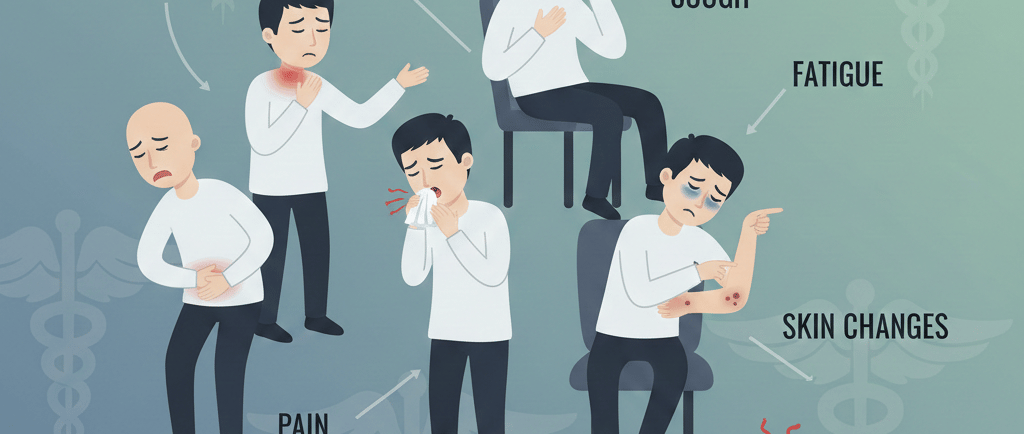
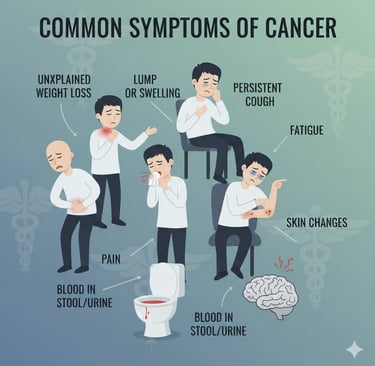
Common symptoms that indicate the possibility of cancer include--
1. Change in a mole or skin lesio
2. Weight loss for no apparent reason
3. Fatigue
4. Chronic illness without any cause
5. Cough or hoarseness that doesn't go away
6. Change in bowel or bladder habits
7. Abnormal bleeding or discharge
8. Breasts that differ in size, shape, or texture
9. Lumps or thickening in the breast or other parts of the body
10. Difficulty swallowing or speaking
If you experience any of these symptoms, it is important to consult a healthcare professional, as they can have a variety of causes, and early diagnosis can substantially improve the prognosis
Naturopathy treatment
Naturopathic medicine is a holistic approach to healthcare that emphasizes the body's natural ability to heal itself. While many naturopathic treatments can be beneficial for overall health and well-being, there is no known cure for cancer through naturopathic methods alone. However, some naturopathic treatments can be used to support cancer patients during treatment and improve their quality of life.
Common naturopathic treatments for cancer patients include:
1. Nutrition
A balanced diet is essential for cancer patients. Naturopathic doctors may recommend specific dietary changes to support the immune system and promote overall health. They may also suggest avoiding certain foods and substances that could weaken the body's ability to fight cancer.
2. Herbal Medicine
Herbs can be used to support the immune system, reduce inflammation, and alleviate side effects of cancer treatment. Some herbs commonly used for cancer patients include echinacea, milk thistle, and Bach flower remedies.
3. Acupuncture
This traditional Chinese medicine technique can help manage pain, reduce anxiety, and improve sleep. Acupuncture can be beneficial for cancer patients experiencing side effects from treatment.
4. Hydrotherapy
Naturopathic doctors may use various water-based therapies, such as saunas, hot and cold compresses, and facials, to improve circulation, reduce inflammation, and support the body's natural healing process.
5. Massage and Bodywork
Gentle massage and bodywork techniques can help relieve tension, reduce discomfort, and improve relaxation. Some naturopathic doctors may also recommend body therapies such as reflexology and aromatherapy to promote overall well-being
6. Supportive Care
Naturopathic doctors can provide emotional and psychological support to cancer patients during treatment. Some naturopathic practitioners may also provide lifestyle counseling to help patients make informed choices about nutrition, exercise, and stress management
It's important to communicate with your healthcare team about any complementary therapies you are considering. While some natural medicine treatments may be beneficial for cancer patients, others may have potential risks or interfere with conventional treatments. Always consult your oncologist before trying any new treatment, including natural therapies.
Precautions in Cancer
Precautions in cancer management involve taking several steps to reduce the risk of cancer recurrence, minimize side effects from treatments, and maintain overall health. Here are some precautions to consider:
1. Regular Follow-Up Appointment
Keep regular appointments with your healthcare team for checkups, screenings, and tests. Early detection of any signs of cancer recurrence is crucial.
2. Self-Examination
Self-examine regularly for any new or changing symptoms and report them to your healthcare team.
3. Risk-reducing lifestyle changes
Maintain a healthy diet, exercise regularly and manage stress to support your immune system and overall health.
4. Avoid smoking and excessive alcohol consumption
Quit smoking and limit alcohol consumption, as both can increase the risk of cancer recurrence.
5. Protection from the sun
Protect your skin from the sun by using sunscreen, wearing protective clothing, and avoiding prolonged exposure to the sun.
6. Vaccination
Make sure you're up to date with vaccinations, such as the HPV vaccine for human papillomavirus and the hepatitis B vaccine to help prevent certain types of cancer.
7. Medical marijuana
If prescribed, use medical marijuana or cannabis-derived products with caution, as they may interact with other medications and treatments
8. Complementary therapies
Be careful when choosing complementary therapies, as some may be unproven or potentially dangerous. Consult your healthcare team before trying any new treatments.
9. Travel precautions
If you plan to travel, notify your healthcare team and bring a copy of your medical records in case of an emergency.
10. Safe medical treatment
Discuss any concerns you have about the safety of your treatment with your healthcare team, such as whether the radiation therapy you are receiving is photo-safe for activities such as airport security screening.
11. Emotional support
Seek emotional support from family, friends, support groups, or mental health professionals to help you cope with the stress of cancer.
12. Medication alarm
If you're taking medication at a specific time, consider using a medication alarm or reminder device to ensure you don't miss a dose.
Remember, always consult your healthcare team before making any significant changes to your treatment plan or lifestyle. They are there to support you and provide guidance on your cancer journey.
Contact
rkyogablog@gmail.com