Note: Consult a doctor for health advice. Check out my favorite health products here: (Amazon Affiliate commission applies)
Deep breathing procedure, benefits and precautions
Deep breathing procedure, benefits and precautions, Deep Breathing Procedure,Benefits of Deep Breathing, Precautions in deep breathing.
1/3/20262 min read

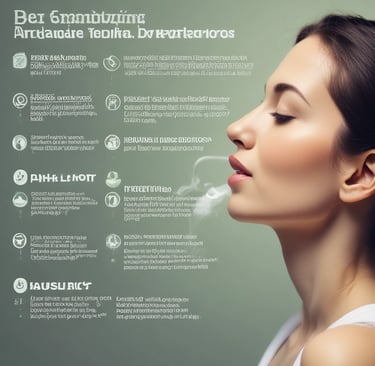
Deep breathing procedure and benefits
Here's a step-by-step guide to deep breathing, also known as diaphragmatic breathing, along with its benefits--
Deep Breathing Procedure
1. Find a comfortable position
Sit or lie down in a comfortable position with your back straight.
2. Place one hand on your belly and the other on your chest
This will help you feel your diaphragm move.
3. Inhale slowly through your nose
Breathe in slowly through your nose, allowing your diaphragm to drop and your belly to rise as your lungs fill with air.
4. Fill your lungs completely
Continue to inhale until your lungs are fully expanded.
5. Hold your breath for a few seconds
Hold your breath for a few seconds, feeling the expansion of your lungs.
6. Exhale slowly through your mouth
Slowly exhale through your mouth, allowing your diaphragm to rise and your belly to fall as your lungs empty.
7. Repeat the cycle
Repeat the cycle several times, focusing on your breath and the movement of your diaphragm.
Benefits of Deep Breathing
1. Reduces stress and anxiety
Deep breathing helps calm the mind and body, reducing stress and anxiety.
2. Improves sleep
Deep breathing can help improve sleep
quality by relaxing the body and mind
3. Lowers blood pressure
Regular deep breathing practice can help lower blood pressure and reduce the risk of heart disease.
4. Boosts mood
Deep breathing releases endorphins, which can help improve mood and reduce symptoms of depression.
5. Improves focus and concentration
Deep breathing can help improve focus and concentration by training the mind to stay present.
6. Reduces pain
Deep breathing can help reduce pain by releasing endorphins and distracting the mind from pain.
7.Improves respiratory function
Deep breathing can help improve lung function and overall respiratory health.
8.Increases oxygenation
Deep breathing can help increase oxygenation of the body, which can improve energy levels and overall health.
9. Supports weight loss
Deep breathing can help reduce stress and improve digestion, which can support weight loss.
10. Improves overall well-being
Deep breathing can help improve overall well-being by reducing stress, improving mood, and increasing energy levels.
Precautions in deep breathing
Here are some precautions to take when practicing deep breathing--
1. Hyperventilation warning
Deep breathing can lead to rapid breathing, which may cause dizziness, lightheadedness, or even fainting in some individuals, especially if they have pre-existing respiratory conditions or are not used to intense breathing exercises.
2. Avoid overexertion
Deep breathing can be physically taxing, and exerting yourself too much may leave you feeling unwell. Listen to your body and stop if you experience discomfort or pain.
3. Underlying health conditions
Individuals with medical conditions like heart conditions, high blood pressure, or respiratory issues, such as asthma or COPD, should consult their healthcare provider before starting a deep breathing practice.
4. Panic attacks
For those prone to panic attacks, deep breathing exercises can trigger or exacerbate symptoms. If you're susceptible to panic attacks, consider consulting a healthcare professional for guidance on safely using deep breathing techniques.
5. Overbreathing
Breathing too much can lead to a condition known as respiratory alkalosis, where the blood's pH level becomes too high, causing symptoms like dizziness, muscle weakness, and even seizures in severe cases.
6. Avoid deep breathing during exercise
Combining deep breathing with physical activity can increase the risk of respiratory issues, such as bronchospasm or exercise-induced asthma attack.
7. Consult healthcare professionals
If you experience any discomfort, pain, or health concerns while practicing deep breathing, consult a healthcare professional, such as a physician, respiratory therapist, or certified yoga instructor.
Contact
rkyogablog@gmail.com