Note: Consult a doctor for health advice. Check out my favorite health products here: (Amazon Affiliate commission applies)

Difference between diabetes Type 1 and Type 2
Explore how mental stress contributes to both types of diabetes. Discover the impact of modern routines and eating habits on health, and learn essential tips for managing diabetes effectively.Difference between diabetes Type 1 and Type 2
1/15/20262 min read
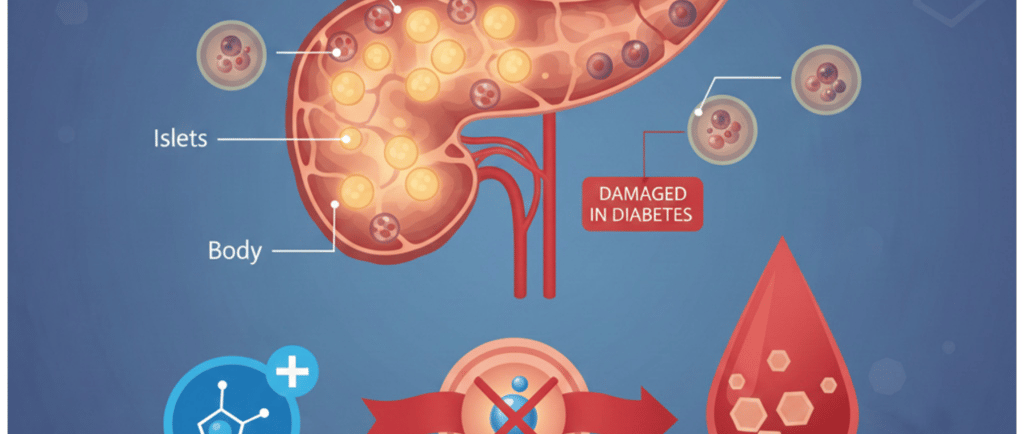

Type 1 and type 2 diabetes
Friends, if we observe closely, both types of diabetes are caused due to mental stress. In today's times, a person's daily routine and eating habits have changed and people do not have time for their health
Type 1 diabetes and Type 2 diabetes are both chronic conditions that affect the way your body regulates blood sugar (glucose). They are different types of diabetes with distinct causes, risk factors, symptoms, and treatments.
Here's a quick overview of both types
Type 1 Diabetes
Type 1 diabetes, also known as insulin-dependent diabetes, is an autoimmune condition.
In Type 1 diabetes, the body's immune system attacks and destroys the insulin-producing beta cells in the pancreas.
This results in little or no insulin production, leading to high blood sugar levels.
Type 1 diabetes usually develops in childhood or adolescence but can occur at any age.
Symptoms of Type 1 diabetes
Frequent urination
Increased thirst and dry mouth
Increased hunger
Fatigue
Unexplained weight loss
Blurred vision
Treatment for Type 1 diabetes involves insulin therapy (injections or an insulin pump) to replace the missing hormone, regular blood sugar monitoring, and making healthy lifestyle choices.
Type 2 Diabetes
Type 2 diabetes, also known as non-insulin-dependent diabetes, is primarily characterized by insulin resistance.
In Type 2 diabetes, the body's cells don't respond effectively to insulin, and the pancreas doesn't produce enough insulin to regulate blood sugar levels.
Type 2 diabetes is more common than Type 1. It often develops in adulthood, but increasing rates among children and young adults have been reported.
Symptoms of Type 2 diabetes
Increased thirst and frequent urination
Increased hunger
Fatigue
Slow-healing sores and frequent infections
Blurred vision
Tingling or numbness in the hands and feet
Treatment for Type 2 diabetes includes lifestyle changes such as diet and exercise, blood sugar monitoring, and may involve oral medications or injectable medications like insulin if required. Management of Type 2 diabetes is focused on improving insulin sensitivity and controlling blood sugar levels.
In summary, Type 1 diabetes is an autoimmune condition requiring lifelong insulin therapy, while Type 2 diabetes involves insulin resistance and is often managed through lifestyle changes, oral medications, and possibly insulin therapy. It is essential for individuals with either type of diabetes to work closely with their healthcare team to effectively manage their condition.
Contact
rkyogablog@gmail.com