How to Do Meditation, precautions and benefits
Discover the art of meditation in our fast-paced world. Learn how to do meditation effectively, the precautions to take, and the numerous benefits that come with a regular practice. Embrace mindfulness and gain a healthier perspective on life.How to Do Meditation, precautions and benefits
Rajesh Kumar
1/27/20262 मिनट पढ़ें
Finding Your Inner Calm: A Beginner’s Guide to Meditation
In our fast-paced, always-connected world, finding a moment of true silence can feel like a luxury. However, meditation isn’t about escaping reality or silencing your thoughts—it’s about training your awareness and gaining a healthy sense of perspective.How to Do Meditation, precautions and benefits
If you’ve been curious about starting a practice but aren't sure where to begin, this guide covers the "how-to," the essential precautions, and the science-backed benefits of sitting in stillness.
How to Meditate:
A Simple 5-Step Process
You don’t need special equipment or a Himalayan cave to meditate. You can start right now by following these steps:
Find a Quiet Space:
Choose a spot where you won’t be interrupted for 5–10 minutes.
Get Comfortable:
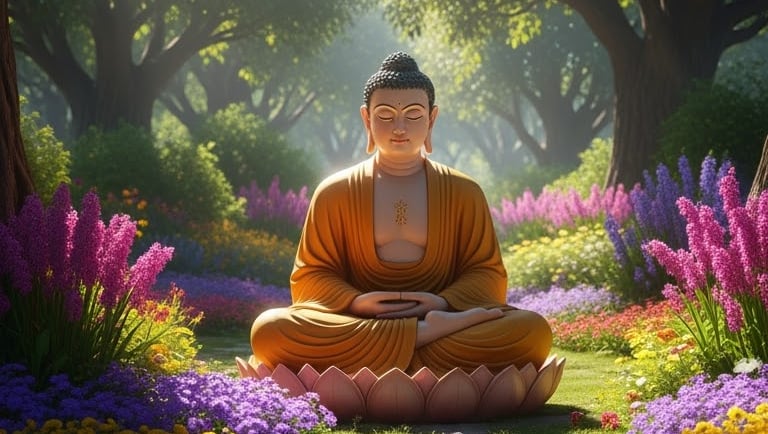
Sit in a chair with your feet flat on the floor, or cross-legged on a cushion. Keep your back straight but not rigid—think "upright and relaxed."
Set a Timer:
Especially for beginners, a timer (even just 5 minutes) helps prevent you from checking the clock constantly.
Focus on Your Breath:
Close your eyes and follow the sensation of your breath as it enters and leaves your body. Notice the rise of your chest or the air passing through your nostrils.
Acknowledge and Return:
Your mind will wander. That is normal! When you notice you’re thinking about your to-do list, gently acknowledge the thought and return your focus to your breathing.
Key Precautions to Keep in Mind
While meditation is generally safe, it is important to approach it with the right mindset:
Don't Force It:
Meditation is a "gentle leaning," not a mental battle. If you feel extreme frustration, it’s okay to stop and try again later.
Physical Comfort:
If you have back or knee issues, don’t force yourself into a traditional lotus position. Use a supportive chair or even meditate lying down if necessary.
Mental Health Sensitivity:
For those dealing with severe trauma or certain psychological conditions, intensive meditation can sometimes bring up difficult emotions. If you feel overwhelmed, consider practicing under the guidance of a qualified instructor or therapist.
Consistency over Intensity:
It is better to meditate for 5 minutes every day than for an hour once a month.
Final Thoughts
Meditation is a skill, much like playing an instrument or training for a marathon. Some days your mind will be a quiet lake; other days, it will be a stormy ocean. The "success" of meditation isn't in having a blank mind, but in the act of returning to the present moment every time you get distracted.
"The goal of meditation isn't to control your thoughts, it's
to stop letting them control you."
Contact
rkyogablog@gmail.com