Note: Consult a doctor for health advice. Check out my favorite health products here: (Amazon Affiliate commission applies)

Holistic Healing for Tuberculosis: Yoga & Wellness
Discover how a holistic approach can aid tuberculosis recovery. This guide covers the causes of TB, signs to watch for, and the benefits of yoga and mindfulness for lung capacity and respiratory health. Holistic Healing for Tuberculosis: Yoga & Wellness
PRANAYAMAASANA
Rajesh Kumar
2/28/20264 min read
The Root Causes of Tuberculosis: Understanding Mycobacterium Tuberculosis
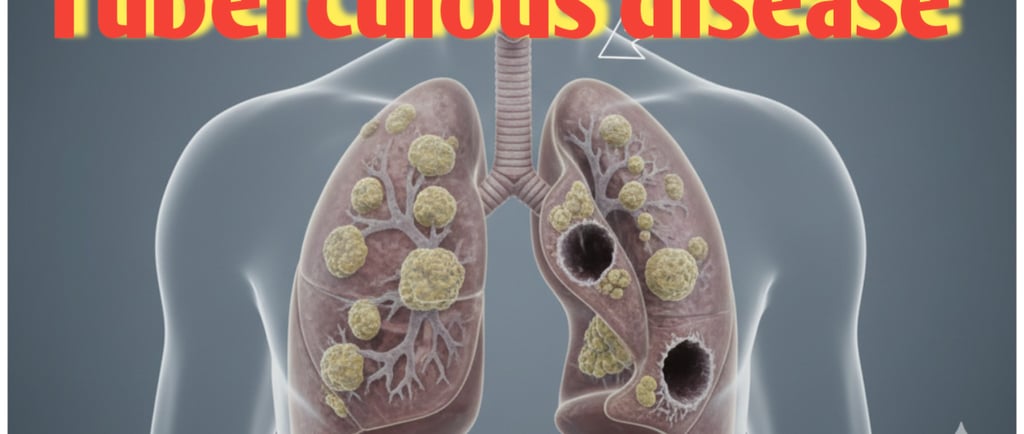
My dear friends today I told you about Tuberculosis disease . Tuberculosis (TB) is a disease caused by the bacterium Mycobacterium tuberculosis, a slender, rod-shaped organism that thrives in aerobic environments. The infection primarily affects the lungs, but it can also impact other parts of the body, including the brain, kidneys, and spine. Transmission occurs through airborne particles released when an infected person coughs or sneezes, making TB highly contagious in densely populated or poorly ventilated settings.
Understanding the risk factors associated with Mycobacterium tuberculosis is crucial for preventing transmission. Individuals with weakened immune systems, such as those living with HIV/AIDS, malnutrition, or chronic illnesses, are more susceptible to infection. Additionally, socioeconomic factors play a significant role in the prevalence of TB. Poor living conditions, such as overcrowded housing and inadequate ventilation, can facilitate the spread of the bacterium, highlighting the importance of public health initiatives aimed at improving living standards.
Healthcare access is another vital factor in TB management. In many regions, limited access to healthcare services prevents early diagnosis and treatment, allowing Mycobacterium tuberculosis to persist and spread. Moreover, stigma surrounding the disease often discourages individuals from seeking medical help. Addressing these barriers is essential in controlling TB outbreaks and promoting public awareness regarding the risk factors attached to the disease.
The mechanisms by which TB affects the body involve the bacterium's ability to evade the immune response. Once inhaled, the bacterium can survive within immune cells, leading to a sustained infection. Understanding these biological processes is fundamental to developing effective treatment and prevention strategies, which must consider the complex interplay between biological, social, and environmental factors influencing the spread of TB.
Recognizing the Signs of Tuberculosis: What Your Body Is Trying to Tell You
Tuberculosis (TB) is a contagious bacterial infection that primarily affects the lungs but can also impact other parts of the body. One of the crucial steps in managing TB is recognizing its signs early on. The symptoms commonly associated with TB include a persistent cough that lasts for more than three weeks, unexplained weight loss, fatigue, fever, and night sweats. Each of these symptoms serves as an indicator that the body is fighting an infection, signaling the need for medical evaluation.
The persistent cough associated with TB is often a result of the bacteria causing irritation and inflammation in the lungs. This cough may sometimes produce mucus or be accompanied by blood. Weight loss and fatigue can occur due to the body's increased metabolic demands as it works to fend off the infection, while fever and night sweats are indicative of the body's inflammatory response to the disease. Understanding these symptoms is essential not only for the individual but also for public health, as early detection of TB can prevent its spread.
It is important to note that many individuals may misconstrue the symptoms of tuberculosis as signs of a common cold or flu. This misconception can delay appropriate medical intervention. Therefore, if someone experiences a combination of these symptoms, it is critical to seek medical assistance promptly. Healthcare providers can implement diagnostic measures such as skin tests, blood tests, or chest X-rays to confirm the presence of tuberculosis.
Dispelling myths regarding TB is also vital. For instance, some may believe that TB only affects marginalized groups or those with weakened immune systems. In reality, TB can impact anyone, regardless of age or socio-economic status, making awareness and education essential in combating this disease. Recognizing these signs encourages individuals to seek care, fostering early diagnosis and treatment, which are critical for successful recovery.
The Yoga Connection: Holistic Healing Through Asanas and Pranayama
Yoga has long been recognized as a complementary practice that promotes physical and mental well-being. For individuals dealing with tuberculosis (TB), integrating yoga, specifically through asanas and pranayama, can provide supportive benefits that enhance recovery. The gentle movements associated with specific asanas help in building strength and flexibility, particularly in the respiratory system, crucial for TB patients.
Asanas, such as Bhujangasana (Cobra Pose), Adho Mukha Svanasana (Downward-Facing Dog), and Setu Bandhasana (Bridge Pose), focus on opening the chest and improving lung capacity. These postures encourage deep inhalation and exhalation, which can gradually enhance respiratory function. Additionally, the purposeful stretching and strengthening involved in these poses support the body in regaining vitality, which is often diminished during illness.
Coupled with asanas, pranayama techniques—aimed at regulating breath—play a vital role in promoting oxygen flow and overall well-being. Practices like Ujjayi (Ocean Breath) and Nadi Shodhana (Alternate Nostril Breathing) are particularly effective. Ujjayi helps in calming the mind while increasing lung capacity, whereas Nadi Shodhana balances both sides of the brain and promotes emotional stability. Regular practice of these techniques can also alleviate stress, which is especially important for those with chronic illness like tuberculosis.
Incorporating yoga into a TB recovery regimen can empower patients, offering them a sense of agency over their health. These holistic practices serve as complementary to medical treatments, potentially boosting healing outcomes. As always, individuals should consult healthcare professionals before beginning any new exercise regimen, especially when dealing with conditions like tuberculosis. By embracing the natural connection between body and breath, one may find a supportive pathway to wellness.
Restorative Recovery: The Role of Mindfulness and Stress Reduction in Recovery
Recovering from tuberculosis (TB) involves not only physical treatment but also addressing mental and emotional well-being. Mindfulness practices, which emphasize focused awareness of the present moment, play a vital role in managing stress and anxiety that can accompany a TB diagnosis. By incorporating mindfulness techniques, individuals can foster a greater sense of control, resilience, and overall health during recovery.
One effective strategy to enhance mindfulness is through meditation. A regular meditation practice can aid in reducing symptoms of stress and promote relaxation. Individuals can start with as little as five to ten minutes a day, gradually increasing the duration as they become more comfortable. Focusing on breathing and observing thoughts without judgment can help individuals find calm amidst the challenges of recovery.
Journaling is another powerful tool that can significantly benefit emotional health during the recovery process. Writing down thoughts, feelings, and experiences allows individuals to process their emotions and reflect on their recovery journey. This practice not only provides an outlet for expression but also helps identify stressors and develop effective coping strategies. As patients document their progress, they may also notice patterns in their emotional state, allowing them to implement changes that enhance their mental well-being.
Research indicates that engaging in mindfulness practices such as meditation and journaling can bolster physical health and support the immune system, key factors during TB recovery. By keeping stress levels in check, individuals may enhance the efficacy of their treatment and speed up healing. Therefore, prioritizing mental and emotional health through mindfulness can be a critical component of a holistic recovery approach.
Contact
rkyogablog@gmail.com