Note: Consult a doctor for health advice. Check out my favorite health products here: (Amazon Affiliate commission applies)

Osteoporosis causes, symptoms and yoga treatment
Osteoporosis causes, symptoms and yoga treatment, osteoporosis symptoms, osteoporosis causes, stages of osteoporosis, osteoporosis diagnosis.Osteoporosis causes, symptoms and yoga treatment
1/26/20264 min read
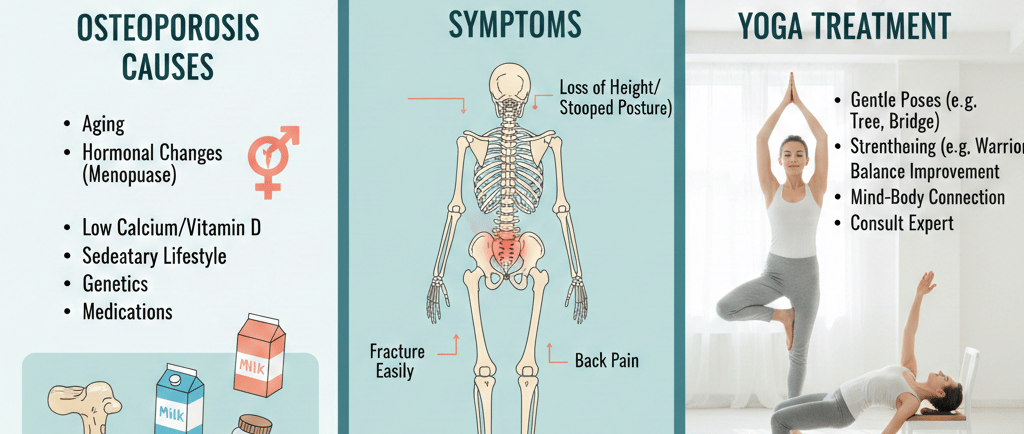

Symptoms of osteoporosis
My dear Friends,Osteoporosis is a condition characterized by a decrease in bone density and strength, leading to an increased risk of fractures. The symptoms of osteoporosis can be subtle and may not be noticeable until a fracture occurs.
However, some common symptoms of osteoporosis include---
Early symptoms
1. Back pain
Osteoporosis can cause compression fractures in the spine, leading to back pain.
2. Loss of height
As bones weaken, they can collapse, causing a loss of height.
3. Bone pain
Pain in the bones, particularly in the hips, spine, or ribs, can be a symptom of osteoporosis.
4. Changes in posture
Osteoporosis can cause a stooped or curved posture due to compression fractures in the spine.
5. Reduced mobility
Weakened bones can make it difficult to perform daily activities, such as walking or climbing stairs.
Advanced symptoms
1. Fractures
Osteoporosis increases the risk of fractures, particularly in the hips, spine, and wrists.
2. Spinal fracture
Compression fractures in the spine can cause a loss of height, back pain, and changes in posture.
3. Vertebral compression fractures
Fractures in the spine can cause pain, stiffness, and a loss of height.
4. Rib fractures
Weakened ribs can cause pain and difficulty breathing.
5. Herniated discs
Osteoporosis can cause herniated discs, leading to back pain and numbness or tingling in the legs.
Other symptoms
1. Muscle weaknes
Osteoporosis can cause muscle weakness, particularly in the back and legs
2. Fatigue
Weakened bones can cause fatigue and a lack of energy.
3. Difficulty swallowing
Osteoporosis can cause difficulty swallowing due to weakened bones in the throat
4. Hoarseness
Weakened bones in the throat can cause hoarseness.
Risk factors
1. Age
Osteoporosis is more common in older adults.
2. Sex
Women are more likely to develop osteoporosis than men.
3. Family history
A family history of osteoporosis increases the risk.
4. Low body mass index (BMI)
A low BMI can increase the risk of osteoporosis.
5. Smoking
Smoking can increase the risk of osteoporosis.
6. Lack of exercise
A sedentary lifestyle can increase the risk of osteoporosis.
7. Nutritional deficiencies
A diet lacking in calcium and vitamin D can increase the risk of osteoporosis.
If you are experiencing any of these symptoms, it is essential to consult with your healthcare provider to determine the best course of action.
Causes of osteoporosis
Osteoporosis is a complex bone disease characterized by a decrease in bone density and quality, leading to an increased risk of fractures. The causes of osteoporosis can be categorized into two main types
intrinsic and extrinsic.
A. Intrinsic Factors
1. Genetics
Inherited traits and family history play a significant role in the development of osteoporosis.
2. Hormonal Imbalance
Low estrogen levels in postmenopausal women and thyroid disorders can contribute to osteoporosis.
3. Age
As people age, bone density naturally decreases, making them more susceptible to osteoporosis.
4. Nutritional Deficiencies
Lack of essential nutrients such as calcium, vitamin D, and vitamin K can impair bone mineralization.
5. Neurological Disorders
Certain neurological conditions, such as Parkinson's disease, can increase the risk of osteoporosis.
B. Extrinsic Factors
1. Lack of Exercise
Inadequate physical activity, particularly weight-bearing exercise, can contribute to osteoporosis.
2. Smoking
Smoking can lead to an increased risk of osteoporosis by reducing calcium absorption and bone density.
3. Excessive Caffeine and Alcohol Consumption
High intake of caffeine and alcohol can interfere with calcium absorption and increase the risk of osteoporosis.
4. Sedentary Lifestyle
Being sedentary can lead to muscle weakness and bone loss.
5. Steroid Use
Long-term use of corticosteroids, such as prednisone, can contribute to osteoporosis.
6. Chemotherapy and Radiation
Certain cancer treatments can affect bone density and increase the risk of osteoporosis.
7. Malnutrition and Starvation
Poor nutrition and inadequate energy intake can lead to osteoporosis.
8. Gastrointestinal Disorders
Conditions such as celiac disease, Crohn's disease, and gastrectomy can impair calcium absorption and increase the risk of osteoporosis.
Other Risk Factors
1. Family History
Having a family history of osteoporosis increases an individual's risk.
2. Ethnicity
Osteoporosis is more common in Caucasians and African Americans, particularly women.
3. Medical Conditions
Conditions such as rheumatoid arthritis, diabetes, and kidney disease can increase the risk of osteoporosis.
4. Medications
Certain medications, such as anticonvulsants and bisphosphonates, can affect bone health.
In conclusion, the causes of osteoporosis are complex and multifactorial, involving both intrinsic and extrinsic factors, as well as a range of risk factors. Understanding these causes and risk factors is essential for prevention, diagnosis, and treatment of osteoporosis.
Yoga treatment of osteoporosis
While yoga alone cannot cure osteoporosis, it can be a valuable complementary therapy to help manage the condition and prevent further bone loss.
Here are some ways yoga can be beneficial for osteoporosis---
1. Improved bone density
Some studies suggest that regular yoga practice can help improve bone density, particularly in older adults. This may be due to the combination of weight-bearing postures, resistance exercises, and gentle stretching.
2. Reduced risk of falls
Yoga can help improve balance, flexibility, and strength, reducing the risk of falls and related injuries.
3. Relaxation and stress reduction
Yoga can help alleviate stress and anxiety, which are common comorbidities with osteoporosis. Chronic stress can contribute to bone loss and increased risk of fractures.
4. Improved muscle strength
Yoga can help build muscle strength, particularly in the core and extremities, which is essential for maintaining bone health.
5. Enhanced mobility and flexibility
Yoga can help maintain or improve mobility and flexibility, reducing stiffness and discomfort associated with osteoporosis.
Yoga styles that may be beneficial for osteoporosis---
1. Hatha Yoga
A traditional and gentle style that focuses on physical postures and breathing techniques.
2. Yin Yoga
A slow-paced, meditative style that targets the deeper tissues of the body, including the bones.
3. Restorative Yoga
A gentle, therapeutic style that uses props to support the body in relaxing postures
4. Sivananda Yoga
A classical style that emphasizes the Five Points of Yoga: proper exercise, proper breathing, proper relaxation, proper diet, and positive thinking and meditation.
Precautions and considerations---
1. Consult a healthcare professional
Before starting a yoga practice, especially if you have osteoporosis, consult with your healthcare provider or a yoga therapist to discuss any concerns or modifications.
2. Choose gentle postures
Avoid postures that involve heavy weights, deep twists, or backbends, which can put excessive stress on the spine and bones.
3. Use proper alignment
Pay attention to proper alignment and body positioning to avoid putting unnecessary stress on the bones and joints.
4. Avoid bouncing or jerking
Move slowly and smoothly, avoiding any bouncing or jerking movements that can exacerbate osteoporosis.
By incorporating yoga into your osteoporosis management plan, you can potentially reduce the risk of falls, improve bone density, and enhance overall well-being. Always consult with a healthcare professional or yoga therapist to ensure a safe and effective practice.
Contact
rkyogablog@gmail.com