Note: Consult a doctor for health advice. Check out my favorite health products here: (Amazon Affiliate commission applies)
Siddhasana meaning, steps and benefits
Discover how Siddhasana can enhance your hip flexibility and overall balance. This powerful stretching exercise targets the hips, legs, and lower back, promoting better posture and flexibility.Siddhasana meaning, steps and benefits
1/22/20263 min read
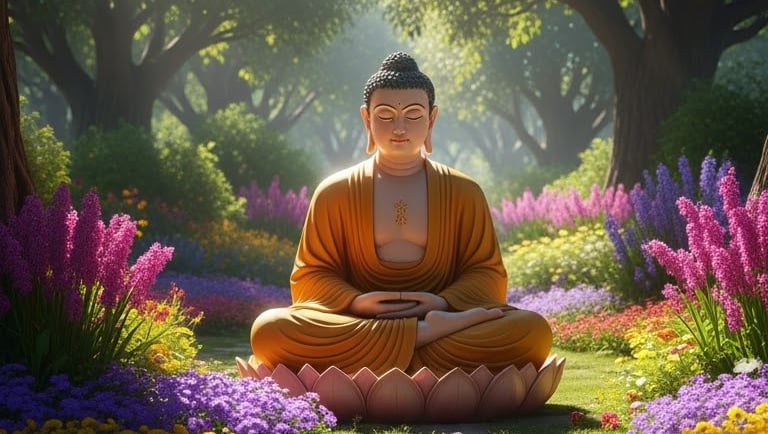
Siddhasana meaning, steps and benefits, 5 benefits of siddhasana, how to perform siddhasana, what is siddhasana and its benefits. Siddhasana steps.
Procedure of siddhasana
Siddhasana, also known as the "accomplished pose" or "perfect pose," is an ancient meditation posture originating from Indian yoga.
Siddhasana, also known as the "accomplished pose" or "siddha's pose," is a seated yoga asana that involves sitting cross-legged with the heel of one foot pressing against the perineum, while the other foot is bent and tucked in towards the pelvis. This pose is often considered a resting or meditative pose and is associated with several benefits for the body, mind, and spirit.
Here's a step-by-step guide on how to practice Siddhasana--
Preparation
1. Find a quiet and peaceful spot to sit.
2. Sit on a cushion or a chair with a straight back.
3. Wear loose, comfortable clothing.
Step-by-Step Instructions
1. Cross your legs
Sit with your legs crossed in front of you, similar to a lotus position. You can cross your left leg over your right leg or vice versa, whichever feels more comfortable for you.
2. Sit up straight
Engage your core muscles and maintain a straight back. Imagine a string pulling your head up towards the ceiling.
3. Make a fis
Place your right hand (or left hand, if you prefer) on the perineum, just below the genitals. This hand will hold the genital area in place. Make a fist with this hand, and press your thumb into your palm.
4. Bend forward
Gradually bend forward, keeping your spine long, and rest your head on your right knee (or left knee, if you prefer). Your forehead should be gently touching your knee
5. Take a deep breath
Take a few deep breaths, feeling the energy flow through your body. Relax your facial muscles, arms, and legs.
6. Concentrate on your third eye
Bring your focus to your third eye, located between your eyebrows. Imagine a bright, pulsing light at this point.
Significance and Benefits
Siddhasana is considered one of the most effective meditation poses, as it helps to--
- Focus the mind
- Balance the energy in the body
- Promote spiritual growth
- Enhance self-awareness
- Support overall well-being
Please remember to consult a healthcare professional or a qualified yoga instructor for guidance on practicing Siddhasana
Benefits of siddhasana
Some of the benefits of siddhasana include---
Physical Benefits
1. Improved balance and flexibility
Siddhasana helps to stretch and open the hips, legs, and lower back, making it easier to maintain balance and flexibility.
2. Relief from back pain
The pose can help to alleviate back pain by stretching the muscles in the lower back and improving posture.
3. Improved digestion
The pressure on the perineum can help to stimulate digestion and relieve symptoms of constipation.
4. Calming effect on the nervous system
The pose can help to calm the nervous system, reduce stress and anxiety, and promote relaxation.
Spiritual Benefits
1. Increased meditation and concentration
Siddhasana is often used as a meditative pose, helping to calm the mind and increase concentration.
2. Connection to the third eye
The pose is said to help connect the body to the third eye, promoting intuition, insight, and higher states of consciousness.
3. Balancing of the seven chakras
The pose is believed to balance the seven chakras, or energy centers, in the body, promoting overall well-being and spiritual growth.
4. Preparation for higher states of consciousness
Siddhasana is often used as a preparation for higher states of consciousness, such as samadhi or enlightenment.
Overall, siddhasana is a powerful pose that can offer numerous benefits for the body, mind, and spirit. However, it's essential to practice the pose safely and under the guidance of a qualified yoga teacher.
Precautions and Contraindications
1. Pregnancy and menstruation
Women should avoid siddhasana during pregnancy and menstruation due to the pressure on the perineum.
2. Lower back injuries
Individuals with lower back injuries or conditions, such as sciatica, should avoid siddhasana or modify the pose to avoid exacerbating the condition.
3. Thyroid problems
Individuals with thyroid problems should avoid siddhasana, as the pressure on the neck can exacerbate thyroid issues
4. Digestive problems
Individuals with digestive problems, such as ulcers or irritable bowel syndrome, should avoid siddhasana or modify the pose to avoid exacerbating the condition.
Contact
rkyogablog@gmail.com