Note: Consult a doctor for health advice. Check out my favorite health products here: (Amazon Affiliate commission applies)
Unraveling the Power of Nadi Shodhna Pranayama: A Pathway to Inner Balance
What is Nadi shodhna Pranayama , benefits of Nadi shodhna Pranayama , precautions in Nadi shodhna Pranayama, yoga benefits in our life.
1/2/20264 min read

What is Nadi Shodhna Pranayama?
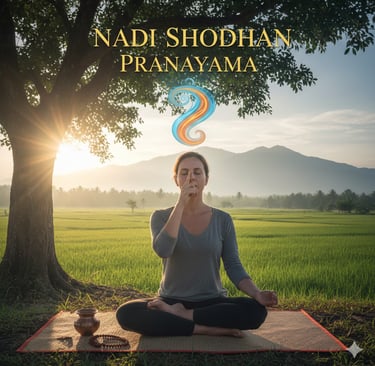
Nadi Shodhna Pranayama, commonly referred to as Alternate Nostril Breathing, is an ancient yogic practice with roots deeply embedded in the traditions of yoga and Ayurveda. It aims to purify the nadis, or energy channels, facilitating the harmonious flow of prana, the vital life force that sustains all beings. The practice is not merely a physical exercise but a holistic approach to achieving mental clarity and emotional stability.
The technique involves a systematic approach to breathing, alternating between the left and right nostrils. To perform Nadi Shodhna Pranayama, one begins by sitting comfortably in a meditative posture. The right thumb is used to close the right nostril, allowing inhalation through the left nostril. Once inhalation is complete, the right nostril is opened, and the left nostril is closed with the ring finger, followed by exhalation through the right nostril. This process is repeated, alternating between nostrils. The rhythmic nature of the practice not only enhances lung capacity but also stimulates the brain, promoting a state of calmness and heightened awareness.
The significance of Nadi Shodhna lies in its ability to balance the two primary energies within the body—Ida and Pingala. Ida represents the feminine, cooling energy, while Pingala embodies the masculine, warming energy. By harmonizing these energies, this pranayama technique fosters a sense of equilibrium, contributing to overall well-being.
Furthermore, Nadi Shodhna Pranayama is known to enhance mental clarity, reduce stress, and alleviate anxiety. Regular practice can lead to improved focus and concentration, making it a valuable tool in today’s fast-paced world where mental clarity is essential for productivity and emotional stability.
Benefits of Nadi Shodhna Pranayama
Nadi Shodhna Pranayama, also known as alternate nostril breathing, is a potent yogic practice that promotes various benefits for both the body and mind. Firstly, the physical health benefits are significant. Regular practice of Nadi Shodhna enhances respiratory function by increasing lung capacity and improving oxygen intake. This is particularly beneficial for individuals with respiratory issues as it aids in clearing the nasal passages and promoting better breathing patterns. Moreover, engaging in this practice regularly can lead to improved cardiovascular health through the reduction of blood pressure and heart rate, ultimately contributing to overall physical wellness.
In addition to the physical advantages, Nadi Shodhna Pranayama has profound effects on mental health. Many practitioners report a significant reduction in anxiety and stress levels following consistent practice. The technique works by calming the mind and activating the parasympathetic nervous system, which promotes relaxation and emotional stability. Furthermore, it fosters mental clarity and enhanced focus, making it an effective tool for those who seek to improve concentration. With improved mental agility, individuals often find themselves better equipped to handle daily responsibilities and challenges.
The energetic balance achieved through Nadi Shodhna is another noteworthy benefit. The practice harmonizes the left and right hemispheres of the brain, promoting a sense of equilibrium. This balance can result in a greater sense of calm and tranquility, allowing practitioners to navigate their emotional landscapes with ease. Furthermore, many individuals experience an increase in their overall energy levels, leading to heightened productivity in both personal and professional settings. In essence, the multifaceted benefits of Nadi Shodhna Pranayama underscore its value as a holistic practice for enhancing both physical and mental health.
Precautions in Nadi Shodhna Pranayama
Nadi Shodhna Pranayama, a practice known for its balancing effects on the mind and body, necessitates certain precautions to ensure safety and effectiveness. As with any yogic practice, there are specific groups of individuals who should approach this technique with caution or avoid it altogether. Notably, individuals suffering from hypertension or serious cardiovascular conditions should consult a healthcare professional before embarking on this practice. The focus on breath control and the alternation of nostrils can potentially impact individuals with these conditions, necessitating a careful assessment of their health status.
Additionally, those with respiratory issues, such as asthma or chronic obstructive pulmonary disease (COPD), must be vigilant. The practice involves significant breath regulation, which might exacerbate certain respiratory challenges. Pregnant women are advised to avoid Nadi Shodhna Pranayama unless supervised by an experienced instructor, as changes in breath patterns may create undue stress during pregnancy.
For beginners, it's essential to approach Nadi Shodhna with a solid understanding of the technique. Initiating the practice for short durations and gradually increasing it can help mitigate any adverse effects. Furthermore, finding a comfortable, distraction-free environment and sitting in a stable posture can enhance the experience. It is often beneficial for novices to learn under the guidance of a trained instructor to ensure proper technique and avoid missteps, such as incorrect nostril closure. Engaging in self-assessment before practicing will help determine whether this pranayama serves one's personal health and wellness goals.
Yoga Benefits in Our Life
Yoga is a holistic discipline that integrates body, mind, and spirit, delivering numerous benefits in various aspects of our lives. Engaging in regular yoga practice promotes physical health, enhancing flexibility, strength, and balance. These physical benefits are achieved through various asanas (postures) that target different muscle groups, leading to improved overall fitness and a reduction in the risk of injury. Moreover, the mindful movements practiced in yoga foster better awareness of one’s body, encouraging participants to listen to their physical limits.
Beyond the physical realm, yoga significantly contributes to emotional well-being. The practice encourages mindfulness and presence, helping individuals manage stress effectively and cultivate a sense of inner peace. Techniques such as breath control and meditation, commonly included in yoga routines, have been shown to decrease anxiety and depressive symptoms. As a result, those who regularly participate in yoga report higher levels of happiness and emotional stability, benefiting their personal and professional relationships.
Mental clarity is another essential aspect that yoga nurtures. Yoga incorporates elements that focus on concentration and mental discipline, aiding practitioners in sharpening their cognitive abilities. This clarity of mind facilitates better decision-making and enhances productivity. Additionally, implementing practices like Nadi Shodhna Pranayama can amplify these cognitive benefits, as this particular breathing technique is designed to optimize the flow of energy within the body and enhance focus.
Incorporating Nadi Shodhna and other pranayama techniques into a regular yoga routine not only maximizes these diverse advantages but also encourages holistic growth and self-awareness. This mindful integration fosters an enduring sense of balance, enabling practitioners to navigate the complexities of life with grace and resilience.
Contact
rkyogablog@gmail.com