Note: Consult a doctor for health advice. Check out my favorite health products here: (Amazon Affiliate commission applies)

What is Meditation? Understanding the Basics.
Discover the essentials of meditation in our beginner-friendly guide. What is Meditation? Understanding the Basics.No fancy gear or perfectly quiet mind required—just real, practical tips for everyday life.
MEDITATION
Rajesh Kumar
5/21/20265 min read
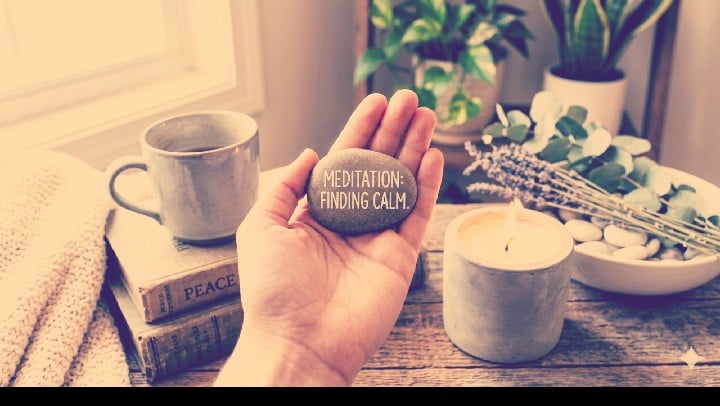
The first time I tried to sit down and meditate, it was a total disaster. My dear friends, I am not even kidding. I turned off my phone, sat cross-legged on my living room rug, closed my eyes, and waited for total inner peace to wash over me.
Instead? I remembered that I needed to buy milk. Then I wondered if my car was making a weird clicking sound. Then I started stressing about an email I forgot to send my boss. After about two minutes, my right foot went completely numb. I opened one eye, looked at the clock, and realized only ninety seconds had passed. I felt like a complete failure.
In my experience, almost everybody starts out this exact way. We have this picture in our heads that meditating means turning your brain into a blank whiteboard. We think we have to sit perfectly still for hours under a waterfall or something. But as far as reality is concerned, that is just not how our brains work.
So, what is it really? Let's explore this now.
What Is Meditation Anyway?
At its core, meditation is just a workout for your brain. When you go to the gym, you lift weights to build up your muscles. When you meditate, you practice focusing your attention to build up your mental muscles. It is a simple tool that helps you understand how your own mind operates.
I have observed that our minds love to time travel. Think about it. Most of the day, your brain is either living in the past—rewinding old conversations, wishing you said something else—or it is jumping into the future, worrying about things that haven't even happened yet.
Meditation pulls you right back into the present moment. It teaches you to sit with whatever is happening right now without losing your mind over it. You are not trying to stop your thoughts. You are just changing your relationship with them. Instead of getting swept away by every single random thought that pops into your head, you learn to just watch them pass by like clouds in the sky.
Why People Actually Stick With It
You might be wondering why anyone would want to sit still and stare at a wall every day. I used to think it was just a trendy fad. But I feel that once you get past the awkward first week, you start noticing real changes in your day-to-day life.
A few years ago, I used to get incredibly stressed during my morning drive to work. If someone cut me off in traffic, my heart would race, my hands would grip the steering wheel, and I would ruin my own mood for the next three hours.
After I started meditating consistently, something shifted. One day, a delivery truck cut me right off. My brain instantly started to fire up the usual angry reaction. But instead of slamming my horn and yelling, I caught myself. I took a deep breath. I realized the driver was probably just having a rushed day. I let it go.
That little gap between the annoying event and my reaction is exactly what this practice gives you. It gives you a second to breathe before you react. It helps you manage stress, keeps you grounded, and honestly just makes you a much nicer person to be around.
Common Types of Meditation to Try
Without further ado, let's proceed to the actual types of practices you can try out. You do not have to stick to just one style. Think of it like a buffet—try a few different things and see what feels best for you.
Mindfulness Meditation
This is the most popular style in the Western world right now. It is incredibly straightforward. You sit comfortably, focus heavily on your breathing, and bring your mind back whenever it wanders off. You pay close attention to the sensation of the air entering your nose and leaving your mouth.
Body Scan Meditation
This one is fantastic if you carry a lot of physical tension from working a desk job. You lie down or sit back, and you mentally scan your body from your toes all the way up to the top of your head. You just check in with how each part feels. Are your shoulders bunched up by your ears? Drop them. Is your jaw clenched? Relax it.
Walking Meditation
If sitting still makes you want to crawl out of your skin, this is your golden ticket. You go for a slow walk outside or even just across your living room. Instead of listening to music or thinking about your to-do list, you focus completely on the physical sensation of your feet hitting the ground. You listen to the birds, feel the wind on your face, and just move.
A Simple Step-by-Step Guide for Beginners
You do not need any fancy equipment to start. You don't need special cushions, expensive crystals, or essential oil diffusers. You just need yourself and a few quiet minutes. Here is how you can do your very first session right now.
Find a comfortable seat:
You can sit on a chair with your feet flat on the floor, or sit on the ground with your back against a wall. Just don't lie down in bed if you are already tired, or you will absolutely fall asleep.
Set a short timer:
Start with just three to five minutes. Seriously, keep it short. You can always add more time later as you get used to it.
Close your eyes:
Or keep them slightly open and look down at the floor a few feet in front of you.
Follow your breath:
Just breathe normally. Notice how your chest rises and falls. Focus on that physical feeling.
Be kind to your wandering mind:
Your mind will wander. This is guaranteed. When it does, do not get mad at yourself. Just notice the thought, let it go, and gently bring your attention right back to your next breath.
Overcoming the Biggest Beginner Roadblocks
I hear the same complaints from people all the time when they try to start this habit. They say, "I can't clear my mind," or "I am too restless."
Let's clear the air on this: nobody clears their mind completely. Even people who have been doing this for thirty years still get distracted by thoughts about lunch. The magic of meditation isn't the part where your mind is perfectly still. The magic actually happens at the exact moment you realize your mind wandered, and you choose to bring it back. Every time you bring your focus back to your breath, your brain does a mental pushup.
Another big trap is trying to do too much too soon. If you want to start running, you don't go out and attempt a marathon on day one. You start with a quick jog around the block. Treat your mind with the same kindness. Five minutes of daily practice will do way more for you than sitting for an hour once a month.
Making It a Daily Habit That Sticks
The hardest part of any new routine is just showing up every day. We all have busy lives, families to take care of, and jobs that drain our energy. It is easy to say you don't have time.
But we all have five minutes. You probably spend more time than that scrolling through social media before you even get out of bed in the morning. Try attaching your new practice to something you already do every single day.
For example, you could sit for five minutes right after you brush your teeth in the morning. Or you could do it in your parked car right before you walk into your office building. By stacking it onto an existing habit, you don't have to rely on willpower alone to remember to do it.
Give yourself some grace as you start out. Some days will feel incredibly peaceful and easy. Other days will feel frustrating, noisy, and restless. Both of those experiences are completely normal. The goal isn't to have a perfect session every time. The goal is simply to show up for yourself, take a breath, and get to know your own mind a little bit better.
Contact
rkyogablog@gmail.com